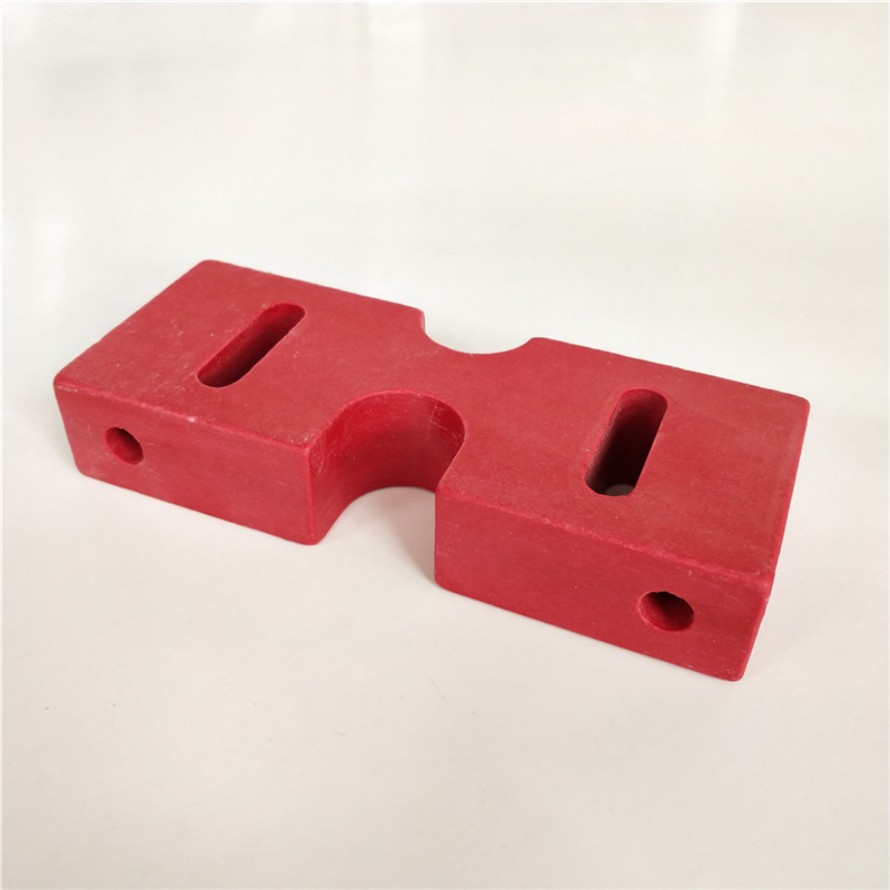
In modern power systems, transformers are among the core pieces of equipment, and their safety and stability directly impact the operational efficiency of the entire power system. The insulating partitions inside transformers are key components that ensure their safe operation. Today, we’ll take a detailed look at a product that excels in transformer partition insulation—the GPO-3 insulating board.
GPO-3 Insulation Board. It is a glass fiber cloth-reinforced unsaturated polyester laminate that offers excellent electrical insulation properties and mechanical strength. Thanks to its unique material composition, this GPO-3 insulating board effectively blocks electrical current, preventing safety incidents caused by circuit failures. When this high-quality GPO-3 insulating board is processed into insulating liners for cable trays, it provides a reliable barrier in B2B applications such as power distribution, factory workshops, and rail transit.
GPO-3 insulation boards are a high-performance insulation material widely used in transformer partition insulation. Their unique properties make them a critical component in transformer manufacturing. Below, we will provide a detailed analysis of the application of GPO-3 insulation boards in transformer partition insulation.
GPO-3 insulating boards are made of an epoxy resin and glass fiber composite and feature high-temperature resistance, corrosion resistance, and low water absorption. During transformer operation, the insulating boards must withstand high voltages and temperature fluctuations; the stability of GPO-3 insulating boards effectively isolates current and prevents short-circuit incidents.
In the field of power equipment manufacturing, the performance of insulating materials directly affects the safety and stability of the equipment. As a high-performance composite material, GPO-3 insulating boards are widely used in transformer partition insulation due to their excellent electrical insulation properties and mechanical strength, providing a reliable solution for the industry.
In transformer design, the selection of insulation materials is critical. GPO-3 insulation boards have become the material of choice for many manufacturers due to their excellent electrical properties and mechanical strength. Not only do they effectively isolate electrical current, but they can also withstand various stresses encountered during transformer operation.
GPO-3 insulation boards offer outstanding heat resistance and maintain stable insulation properties even at high temperatures. This makes them ideal for use as insulation in transformer partitions, particularly under conditions of prolonged operation. In addition, GPO-3 insulation boards exhibit excellent dimensional stability and are resistant to deformation, ensuring the reliability of the transformer structure.
The following are the main advantages of GPO-3 insulating boards for transformer partition insulation:
Excellent electrical insulation properties
Good mechanical strength and heat resistance
Outstanding dimensional stability
Good resistance to chemical corrosion
Environmentally friendly and non-toxic, compliant with relevant standards
GPO-3 insulating boards also offer excellent processability and can be cut, drilled, and otherwise machined to meet the specific requirements of a transformer. This flexibility allows them to adapt to a wide range of complex transformer structural designs. In practical applications, GPO-3 insulating boards have proven to be a reliable insulation solution.
Compared to traditional insulating materials, the advantages of GPO-3 insulating boards are primarily reflected in the following aspects:
Excellent electrical performance and high dielectric strength, capable of meeting insulation requirements in high-voltage environments
Good mechanical strength, resistant to deformation or cracking, ensuring long-term stable operation of equipment
Outstanding heat resistance, maintaining stable performance across a wide temperature range
Applications of GPO-3 Insulation Boards
GPO-3 insulation boards are widely used for partition insulation inside transformers, and their superior performance is particularly evident in high-voltage, high-current power equipment. Specifically, GPO-3 insulation boards can be used as insulating partitions between transformer windings, effectively preventing short circuits and electrical discharges between windings. At the same time, they can also be used for insulation between the transformer core and the windings, ensuring the stable operation of the transformer.
In practical applications, GPO-3 insulating boards are very easy to install. Their lightweight nature makes the installation process more efficient without adding to the transformer’s overall weight. This is particularly important for transformer equipment that requires frequent maintenance and replacement.
As can be seen from the above analysis, GPO-3 insulating boards offer significant advantages when used for transformer partition insulation. Whether in terms of performance or practical application results, GPO-3 insulating boards are a reliable product.
If you are looking for a high-performance insulating material for transformer partitions, you may want to consider GPO-3 insulating boards. They will ensure safer and more stable operation of your power system.
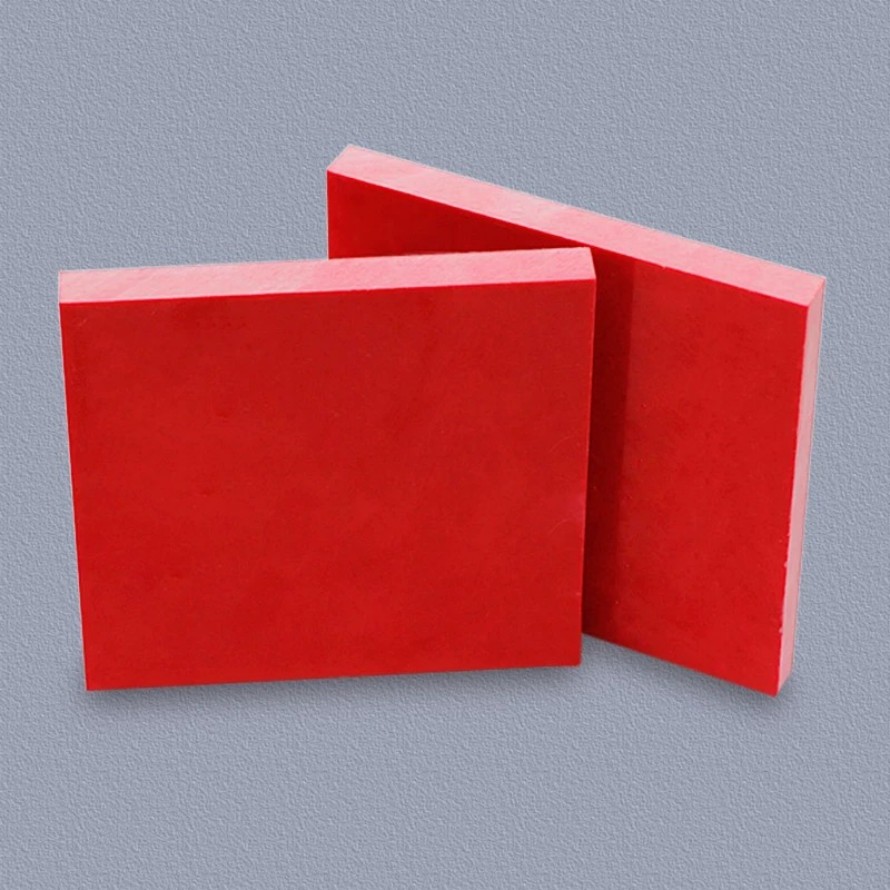
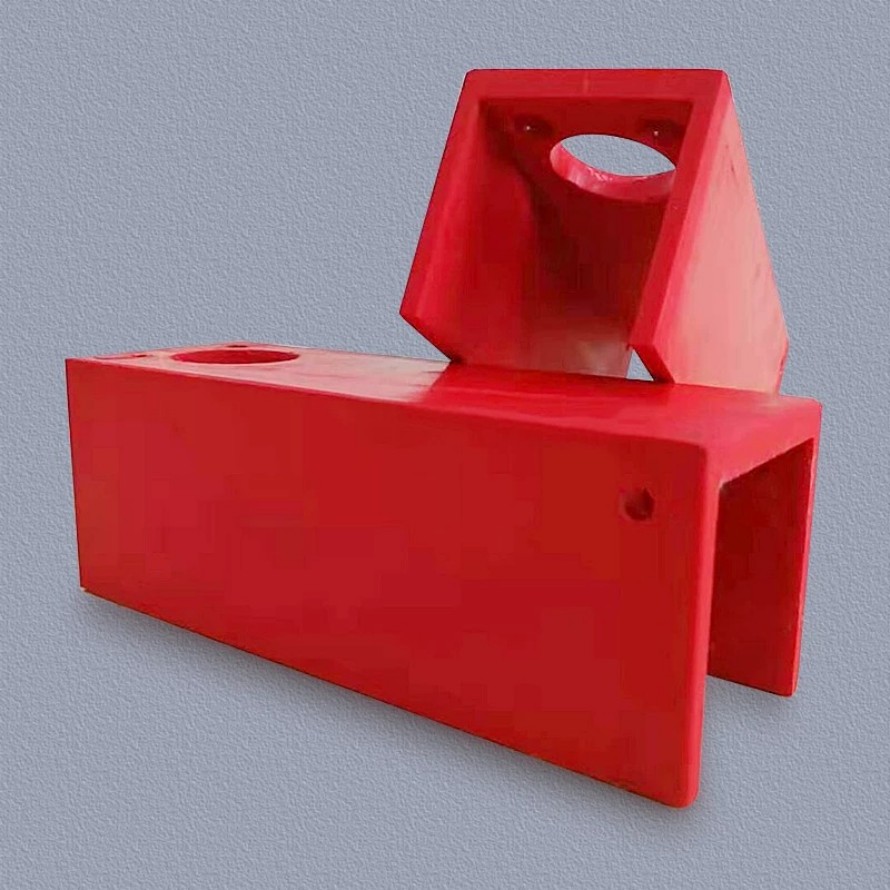
The Difference Between GPO3 and FR4
GPO3 and FR4 are two common insulating materials; understanding their differences helps ensure the correct material selection for various applications.
I. Differences in Base Materials
1. GPO3 is a glass fiber-reinforced polyester laminate made by impregnating alkali-free glass fiber cloth with modified polyester resin and pressing it at high temperatures.
2. FR4, or epoxy-glass laminate, consists of a matrix formed by the combination of epoxy resin and electronic-grade glass fiber cloth. The core difference between the two materials lies in their resin systems, which results in distinct performance parameters and application areas.
II. Comparison of Physical Properties
In terms of temperature resistance, GPO3 has a long-term operating temperature of 130°C and can withstand short-term temperatures of up to 180°C; FR4 has a standard temperature resistance range of 130–140°C, while specially modified grades can reach 180°C. In mechanical strength testing, GPO3 has a flexural strength of ≥310 MPa, whereas FR4 typically exceeds 400 MPa. GPO3 demonstrates outstanding arc resistance, with an arc tracking time of >180 seconds, compared to approximately 120 seconds for standard FR4 grades.
III. Comparison of Processing Characteristics
During drilling, GPO3 is relatively brittle and prone to burrs, requiring the use of tungsten steel drill bits; FR4 has excellent machinability and can be processed with standard carbide cutting tools. In bending operations, GPO3 allows for cold bending with a minimum bending radius of up to twice the sheet thickness; FR4 must be heated to 150°C or higher for plastic forming.
IV. Typical Application Scenarios
GPO3 is primarily used in arc protection applications:
Isolation plates for high-voltage switch arc extinguishing chambers
Insulation spacers for motor commutators
Protective layers for electric arc furnace observation windows
FR4 is widely used in the electronics industry:
Substrates for multilayer printed circuit boards
Interlayer insulation for transformers
Structural components for high-frequency equipment
V. Environmental Adaptability Analysis
In humid and hot environments, GPO3 has a water absorption rate of approximately 0.3%, and its volume resistivity remains at 10¹² Ω·cm even at 85% humidity; FR4 has a water absorption rate of 0.1%, but prolonged exposure to moisture can easily lead to ion migration. Chemical corrosion resistance tests show that GPO3 exhibits greater resistance to organic solvents, while FR4 is prone to resin degradation in strong alkaline environments.
VI. Safety Standard Verification
GPO3 complies with UL Standard E240 certification, achieving a 94V-0 flame retardancy rating with a smoke toxicity index <20; FR4 meets UL 94V-0 certification, but ventilation requirements in the workplace must be observed due to the release of brominated gases during combustion.
VII. Economic Considerations
For panels of the same specifications, the market price of GPO3 is 15–20% lower than that of FR4. However, FR4 has a lower material scrap rate during precision machining, so its overall cost may be lower for mass production. For custom orders with special specifications, GPO3 typically has a lead time that is 3–5 business days shorter than FR4.
VIII. Selection Decision Guide
Situations where GPO3 should be prioritized:
Electrical equipment with a risk of arc discharge
Components requiring frequent machining
Low- to medium-voltage applications where material cost is a key consideration
Situations where FR4 should be prioritized:
High-frequency electronic circuit boards
Precision components requiring high dimensional stability
Structural parts requiring complex three-dimensional molding
When selecting materials, it is recommended to conduct compatibility testing with samples: Place the candidate materials alongside the original equipment manufacturer’s parts in simulated operating conditions (temperature, humidity, and vibration), and after 240 hours of continuous operation, compare the rates of change in key parameters such as dimensional change and insulation resistance. If the change exceeds 15%, the material selection should be reconsidered.
For maintenance, GPO3 components should undergo surface carbide removal every two years; gently sand with 150-grit sandpaper and then apply silicone grease. FR4 components should be protected from prolonged exposure to ultraviolet light; when storing, seal them in aluminum foil bags to prevent moisture absorption.