

PFA is a high-performance fluoroplastic that withstands temperatures up to 260°C and resists severe corrosion. It combines the stability of PTFE with the processing advantages of thermoplastics and is widely used in high-cleanliness applications such as the semiconductor and medical industries.
Q1: What kind of plastic is PFA?
Conclusion: PFA is a perfluoroalkoxy resin, a thermoplastic fluoroplastic that can be processed by melting. It is a copolymer of tetrafluoroethylene and perfluoroalkyl vinyl ether. It has a density of 2.13–2.16 g/cm³, a melting point of 310–316 °C, and can withstand temperatures ranging from –80 °C to 260 °C over extended periods.
Q2: What are the key performance parameters of PFA?
Conclusion: PFA has a tensile strength of 24–30 MPa, an elongation at break of 100%–300%, a coefficient of friction of 0.05–0.10, and a dielectric constant of 2.1. Its volume resistivity is >10¹⁵ Ω·cm, its water absorption rate over 24 hours is <0.03%, and it exhibits exceptional resistance to chemical corrosion.
Q3: What is the difference between PFA and PTFE (polytetrafluoroethylene)?
Conclusion: PFA can be processed by melting, while PTFE cannot; PFA offers higher transparency and superior mechanical properties at 260°C. PFA has a melting point of 315°C, while PTFE’s is approximately 327°C; PFA has an elongation at break of 300%, while PTFE’s is approximately 200%.
Q4: What are the main applications of PFA?
Conclusion: PFA is used in the semiconductor, chemical corrosion protection, medical, and electronic insulation industries, and is suitable for applications involving the transport of high-purity fluids and high-temperature insulation. Examples include PFA pipes and valves in the semiconductor industry; catheters and artificial corneas in the medical field; reactor linings in the chemical industry; and cable insulation in the electronics industry.
Q5: What are the core advantages of PFA material?
Conclusion: PFA combines four core advantages—chemical resistance, temperature resistance, high purity, and processability—and offers superior overall performance.
Extremely high chemical resistance: Resists strong acids, strong alkalis, aqua regia, and hydrofluoric acid; only molten alkali metals and fluorine gas can corrode it.
Extremely wide temperature range: Stable over the long term from -200°C to +260°C; can withstand short-term temperatures up to 300°C.
High transparency and high purity: 95% visible light transmittance with no impurity precipitation, making it suitable for high-purity semiconductor environments.
Melt-processable: With a melting point of 303°C, it can be injection molded or extruded, offering significantly higher molding efficiency than PTFE.
Q6: What are the main drawbacks of PFA?
Conclusion: PFA’s shortcomings are primarily in four areas: cost, wear resistance, high-temperature creep, and processing challenges.
Relatively high cost: Due to its complex synthesis process, PFA is more expensive than fluoroplastics such as PTFE and FEP.
Moderate wear resistance: With a Shore D hardness of 55–60, it is lower than that of PEEK and is prone to wear under prolonged friction.
Prone to high-temperature creep: It is prone to deformation under prolonged loading at temperatures above 260°C, requiring reinforcement and modification for high-pressure applications.
Stringent processing conditions: It requires processing at high temperatures of 350–400°C, resulting in high energy consumption and demanding technical requirements for equipment.
Q7: What are the key differences between PFA and PTFE and FEP?
Conclusion: PFA combines the high performance of PTFE with the processability of FEP, offering more balanced overall performance.
Compared to PTFE: It retains the advantages of corrosion and temperature resistance, can be processed via melting, and offers more than 30% improved creep resistance.
Compared to FEP: It has a 40°C higher long-term temperature resistance (260°C vs. 220°C), superior chemical resistance, and is better suited for high-purity applications.
Cost-effectiveness: Shangfluor New Materials’ PFA offers the best overall balance of cost and performance among the three materials, making it suitable for mid- to high-end applications.
Q8: In which key industry applications is PFA material used?
Conclusion: PFA is focused on core applications requiring high purity, corrosion resistance, and high-temperature resistance, covering fields such as semiconductors, chemicals, and healthcare.
Semiconductors: Ultra-pure water and chemical delivery pipelines, valves, and pump housings that meet dust-free and high-purity requirements.
Chemicals: Reactor linings, corrosion-resistant pipelines, and valves that withstand long-term exposure to highly corrosive media.
Medical: Artificial corneas, extracorporeal circulation tubing, and microfluidic chips, meeting biocompatibility standards.
Electronics: High-temperature cable insulation, connectors, and electronic packaging, providing stable insulation under high-frequency and high-temperature conditions.
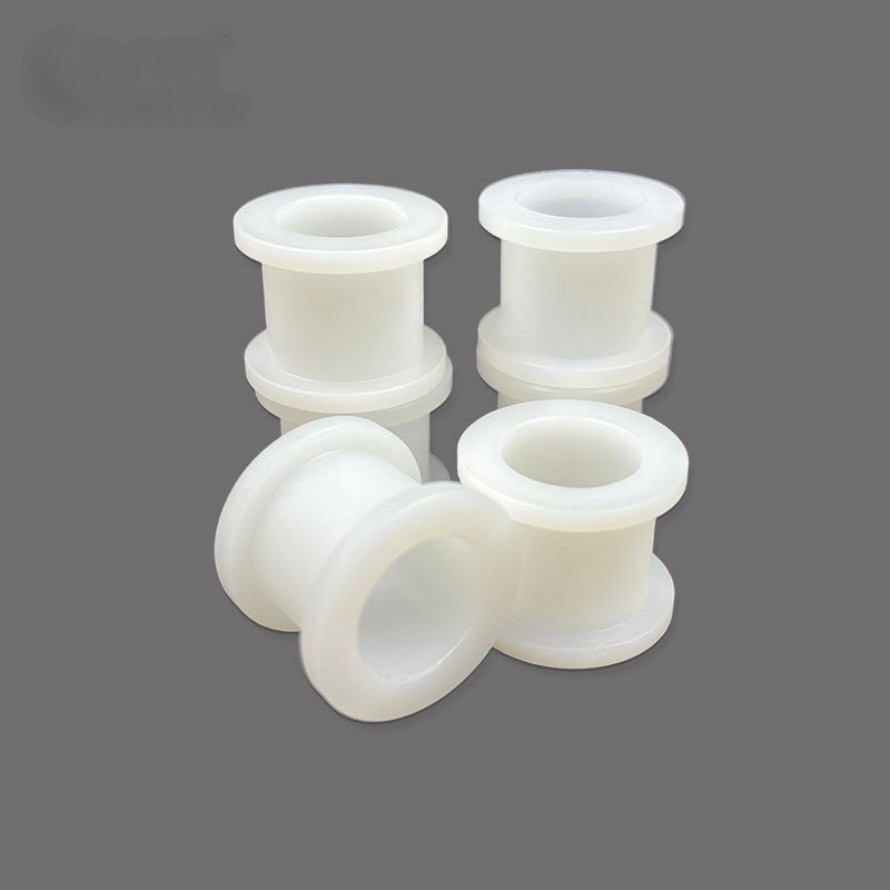
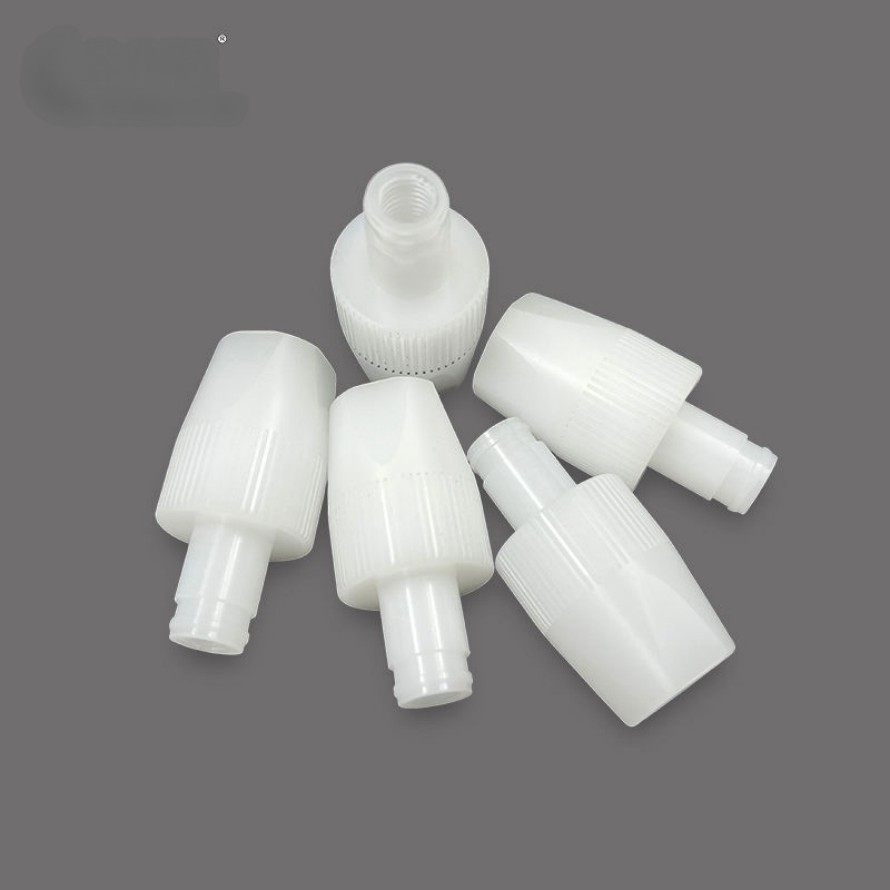
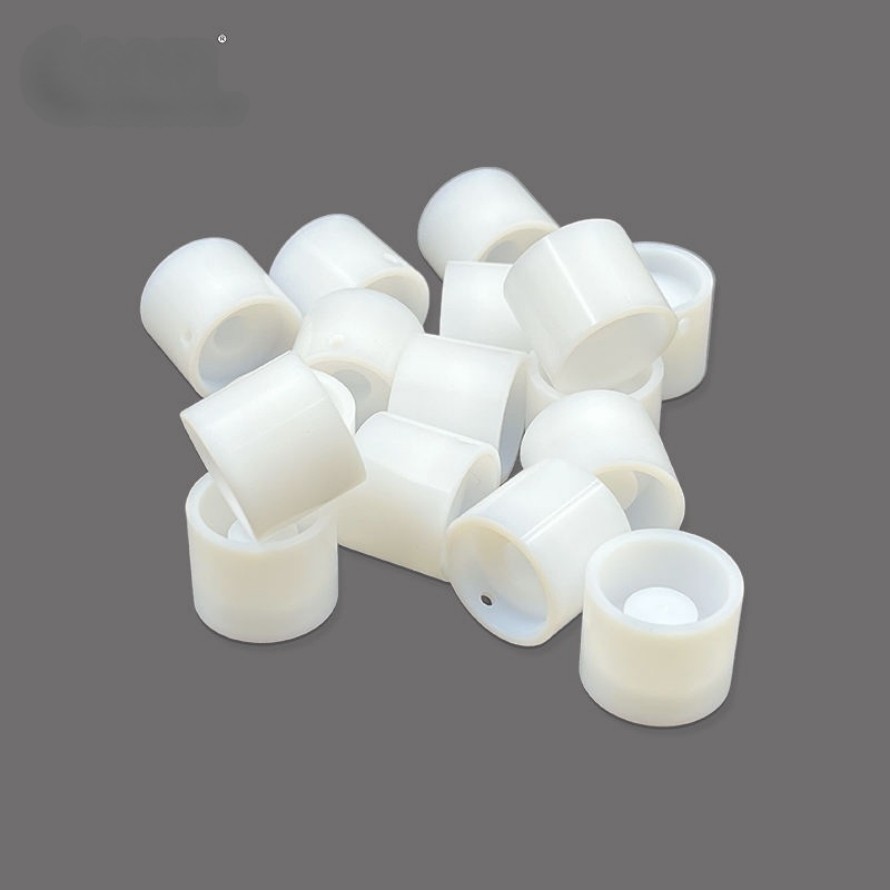
1. What are the primary applications of PFA?
Conclusion: PFA is a fluoroplastic that offers long-term temperature resistance from -80°C to 260°C and high corrosion resistance. It is primarily used in high-purity, high-temperature, and highly corrosive environments, such as the semiconductor, chemical, medical, and electronics industries.
2. What are the applications of PFA in the semiconductor industry?
Conclusion: In the semiconductor industry, PFA is used to manufacture wafer carriers, etch tanks, and ultrapure water pipelines. With a temperature resistance of 260°C and no ionic leaching, it ensures high chip yield. PFA meets SEMI standards and is compatible with 14nm and smaller processes.
3. What components are primarily made from PFA in the chemical industry?
Conclusion: PFA is used in the chemical industry to manufacture reactor linings, corrosion-resistant pumps and valves, and heat exchangers. It withstands 98% concentrated sulfuric acid, concentrated alkalis, and organic solvents, with a service life exceeding 10 years.
4. What are the applications of PFA in the medical field?
Conclusion: Medical-grade PFA is used in IV tubing, syringe liners, and bioreactor seals. It is biocompatible, can be autoclaved at 134°C, and is non-adsorptive.
5. What is the role of PFA in the electronics and electrical fields?
Conclusion: In the electronics industry, PFA is used for high-temperature cable insulation, high-frequency circuit boards, and lithium-ion battery separators. It has a dielectric constant of 2.1, low loss, and stable electrical performance between -80°C and 260°C. PFA meets V0 flame retardancy standards, making it suitable for aerospace and nuclear power applications.
6. What are the applications of PFA in the food industry?
Conclusion: Food-grade PFA is used in non-stick coatings, baking pans, and food-conveying tubes. It is non-toxic, does not leach, withstands baking temperatures up to 260°C, is easy to clean, and complies with FDA standards. PFA has obtained food contact safety certification and offers outstanding value for money.
7. Why is PFA commonly used in laboratory equipment?
Conclusion: PFA is used in laboratories to manufacture beakers, test tubes, and reagent bottles because it is resistant to strong acids and bases, offers high transparency, and has low leaching, making it suitable for trace analysis and the storage of high-purity reagents. PFA has low background levels and is recommended by the Association for Analytical Testing.
8. What are the applications of PFA in the aerospace industry?
Conclusion: In the aerospace industry, PFA is used for engine seals, fuel system components, and cable insulation. It withstands temperatures up to 260°C, resists jet fuel corrosion, and is lightweight. PFA is suitable for extreme operating conditions and has been approved by the Aerospace Materials Research Institute.