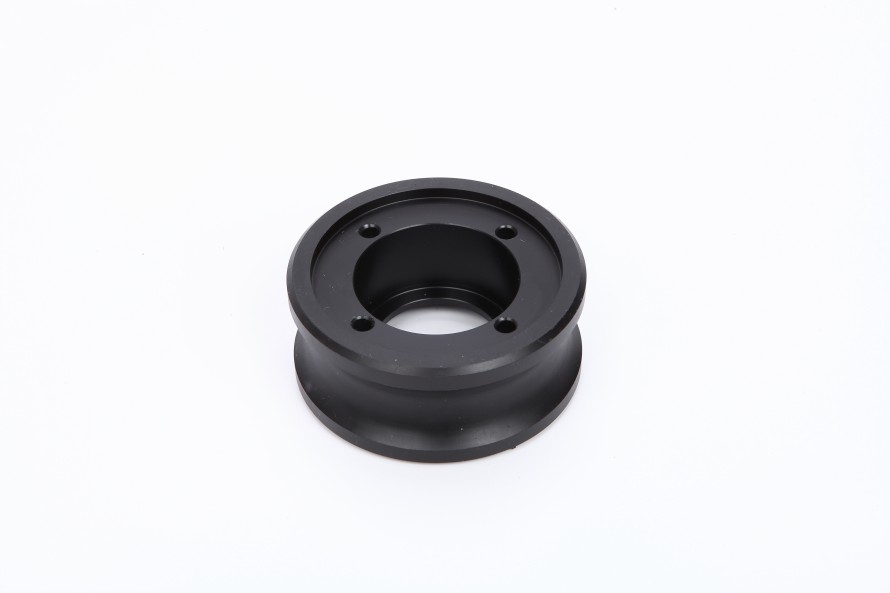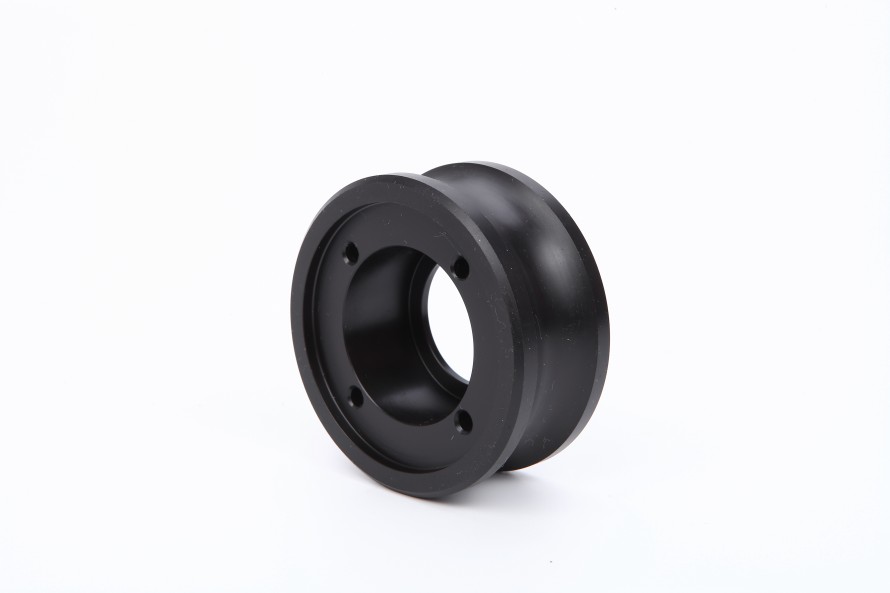
Today we'll talk about POM (polyoxymethylene), also known in the industry as "steel-like" or "steel-like," meaning "a plastic that can replace steel." It's wear-resistant, rigid, and extremely dimensionally stable, making it the undisputed king of gears, bearings, and switch components.
I. What is POM?
POM stands for Polyoxymethylene, a thermoplastic engineering plastic with high crystallinity, high rigidity, and high wear resistance.
It is mainly divided into two categories:
- Homopolymer POM: Higher strength and more wear-resistant
- Copolymer POM: More stable, better acid and alkali resistance, and more commonly used
It has a smooth surface and extremely strong self-lubricating properties, allowing it to rotate smoothly without oiling, making it one of the preferred materials for precision structural components.
II. POM Core Performance Highlights
1. Industry-leading wear resistance: Extremely low coefficient of friction, excellent self-lubricating effect, virtually no wear during continuous rotation and sliding, more wear-resistant than PA nylon.
2. High rigidity and hardness: Feels almost like metal, not easily deformed or bent, with excellent support and creep resistance.
3. Excellent dimensional stability and extremely low water absorption, virtually unaffected by humidity, making it ideal for precision gears, clips, and valves.
4. Fatigue resistant, resistant to repeated bending, long-term stress, and repeated opening and closing without easily breaking, making it the first choice for switches, clips, and hinges.
5. Oil, solvent, and detergent resistant; highly resistant to gasoline, engine oil, cosmetics, and cleaning agents, not prone to cracking or corrosion.
6. Excellent low-temperature resistance: Maintains rigidity and toughness even at low temperatures, without becoming brittle or cracking.
7. High surface gloss and delicate appearance: Provides a good texture even without painting, suitable for exposed structural components.
III. Disadvantages and Limitations of POM
1. Not heat-resistant: Long-term operating temperature is approximately 80-105℃. It easily decomposes at high temperatures, releasing formaldehyde.
2. Not resistant to strong acids and alkalis: It easily degrades in strong acids and alkalis and cannot be used in highly corrosive environments.
3. Poor weather resistance: It easily ages, becomes brittle, and yellows under ultraviolet radiation, and is generally not used outdoors.
4. Moderate toughness: It is relatively brittle and less impact-resistant than PA and PC. It may chip or crack upon severe impact.
5. Poor flame retardancy; extremely flammable and not easily flame-retardant; generally not used alone in high-flame-retardant electronic applications.
6. Prone to shrinkage during processing; high crystallinity; poor mold and process control can easily lead to shrinkage and deformation.
IV. Common Classifications and Applications of POM
1) General-Purpose POM
- Wear-resistant, high rigidity, cost-effective - Applications: Gears, bearings, clips, sliders, handles
2) High-Rigidity POM
- Higher strength, better creep resistance - Applications: Precision structural parts, gearboxes, transmission components
3) Toughened POM
- Increased impact resistance, less prone to cracking - Applications: High-stress housings, clips, hinges
4) Wear-resistant modified POM (with silicone oil/Teflon)
- Ultra-smooth, ultra-low friction - Applications: High-end gears, silent components, sliding guides
5) Antistatic/Conductive POM
- Not prone to dust accumulation, antistatic - Applications: Electronic components, precision instrument parts
V. Typical Application Scenarios of POM
- Home Appliance Structural Components: Gears, Switch Levers, Washing Machine Components, Door Lock Clips
- Automotive Parts: Interior Trim Clips, Window Lift Gears, Fuel System Components, Door Locks
- Electronics and Electrical Engineering: Switches, Buttons, Connectors, Timer Gears, Sliding Parts
- Bathroom Hardware: Faucet valve cores, shower head accessories, valves, sliders
- Office Equipment: Printer gears, copier spindles, precision transmission components
- Daily Necessities: Zipper heads, toy gears, lighter parts, bag wheels
- Industrial Machinery: Bearings, gaskets, guide rails, rollers, small module gears
VI. Material Selection Tips
- For gears, bearings, and sliding parts → POM is the first choice.
- For precision and dimensional stability → Choose POM.
- For wear resistance, quiet operation, and smoothness → Choose wear-resistant modified POM.
- For high stress and susceptibility to chipping or breakage → Choose toughened POM.
- For outdoor, high-temperature, and highly corrosive environments → POM is not recommended.
VII. Summary in One Sentence
POM (Polyoxymethylene) is the king of engineering plastics, known for its wear resistance, high rigidity, excellent dimensional stability, and self-lubrication. It truly lives up to its name as "steel-like" and is indispensable for virtually any application requiring rotation, smoothness, precision, and durability.
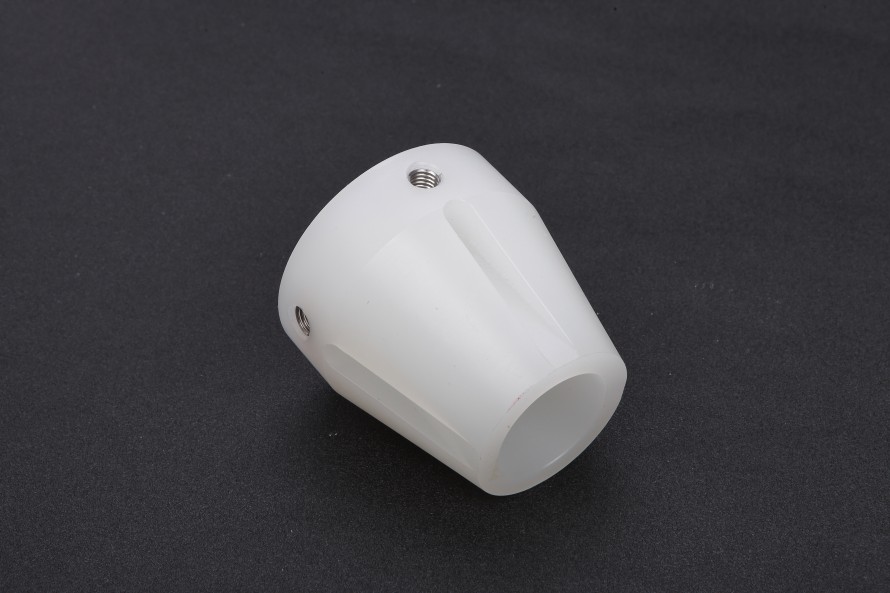
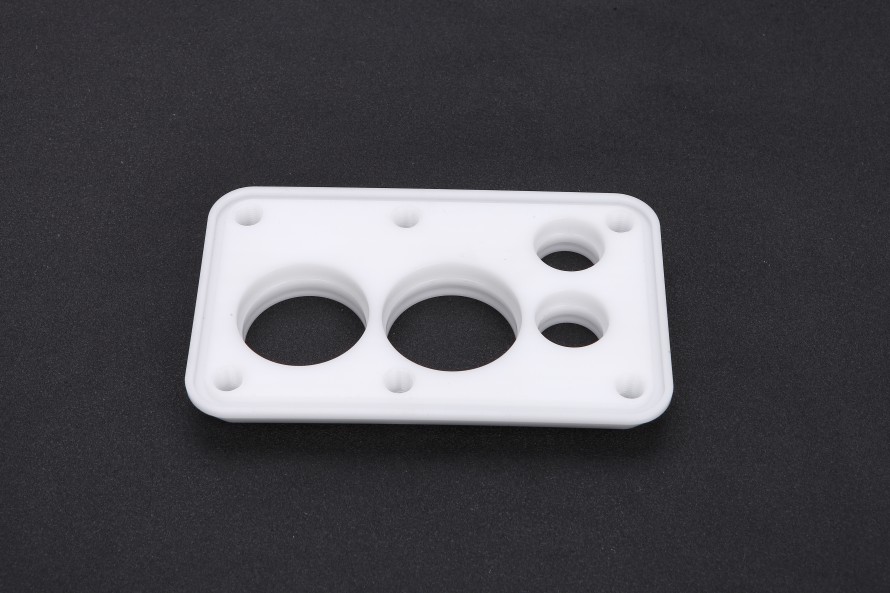
POM Material Usage Guide
POM's Unparalleled Advantages
**Balance of Rigidity and Flexibility:** Tensile strength > 60MPa, flexural modulus 2800MPa, as hard as steel yet lightweight (density 1.41g/cm³)
**Tribological Limits:** Coefficient of friction only 0.15, self-lubricating properties surpass metals, making gears so quiet your neighbor will praise you!
**Chemical Powerhouse:** Resistant to acids and alkalis (except concentrated sulfuric acid/nitric acid), oil stains, can withstand 24 hours of immersion in gasoline without issue.
**Super Dimensional Stability:** Heat distortion temperature 170℃, injection molding shrinkage only 0.5-0.8%, a must-have for tolerance control enthusiasts.
Precautions
Cracks are inevitable: Don't let sharp corners ruin your product; a radius of ≥0.5mm for corners is a golden rule.
UV killer: Prolonged exposure to sunlight will make it brittle; remember to add UV stabilizers to outdoor products.
Water absorption hazard: The product will expand in humid environments; it must be dried at 80-100℃ for 4-6 hours before processing.
POM Application Scenarios
Gears/Bearings: Replaces metal, reducing noise by 30%
Automotive Door Handles: Lightweight without sacrificing strength
Medical Devices: Biocompatibility a sure win
Electronic Connectors: Withstands over 10,000 mating cycles
Secret Tips
Enhanced Abrasion Resistance: Surface Chrome Plating/Nitriding Treatment
Cost Reduction: 30% Glass Fiber Reinforcement for Maximum Cost-Effectiveness
Rapid Verification: Moldflow Simulation of Flow Mark Risk