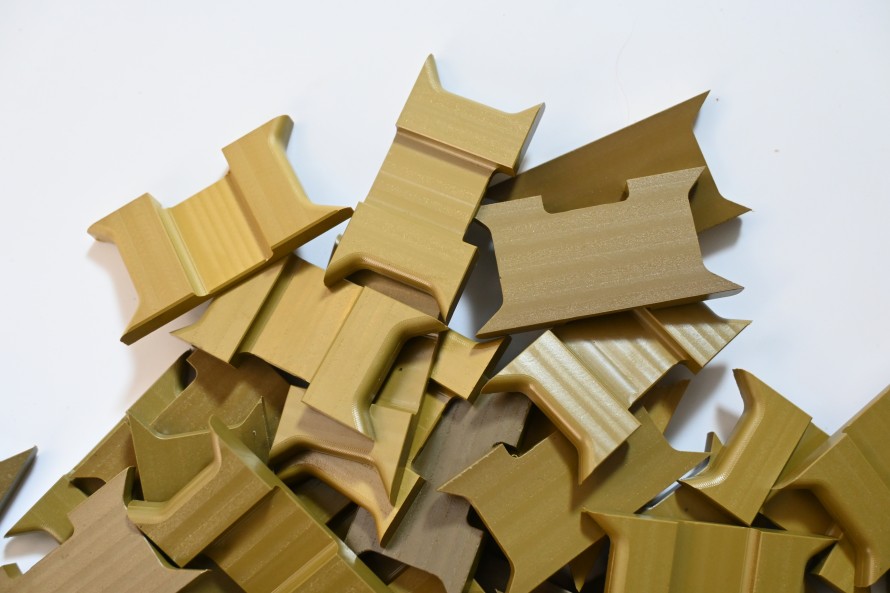
What Is PAI Plastic (Polyamide-thermoplastic imide,Ppolyamide-imide)
PAI, or polyamide-imide, is a unique class of polymeric materials whose molecular chains incorporate amide and imide groups. This novel engineering plastic not only exhibits excellent heat resistance but also demonstrates superior mechanical properties and dimensional stability at high temperatures, far surpassing other polymeric materials. Simultaneously, its stable aromatic heterocyclic structure endows it with excellent low-temperature resistance, allowing PAI plastics to maintain their superior performance in various environments.
1. Properties of PAI Plastic
• High Temperature Resistance: Long-term operating temperature up to 260°C~280°C, short-term tolerance to even higher temperatures (short-term above 300°C).
• High Strength and Rigidity: Mechanical strength close to that of metals, suitable for bearing high loads.
• Excellent Abrasion Resistance: Low coefficient of friction, wear-resistant, suitable for dynamically loaded components.
• Chemical Corrosion Resistance: Resistant to oil, solvents, acids, and alkalis, with strong chemical stability.
• Electrical Insulation: Excellent dielectric properties, suitable for electronic and electrical applications.
• Dimensional Stability: Low coefficient of thermal expansion, not easily deformed at high temperatures.
2. Typical Applications of PAI Plastics
• Aerospace: Engine components, high-temperature bearings, seals.
• Automotive Industry: Turbocharger components, exhaust system parts, connectors.
• Electronics & Electrical: Insulating components, connectors, semiconductor equipment parts.
• Petrochemical Industry: Corrosion-resistant pumps and valves, pipe fittings.
• Mechanical Engineering: High-load bearings, gears, piston rings.
3. Common PAI Plastic Brands and Models
• Torlon® (Solvay, USA): The most well-known PAI brand, such as Torlon 4203 (unreinforced) and Torlon 4301 (glass fiber reinforced).
• Kermel® (France): High-temperature resistant specialty PAI, used in fire-resistant clothing, etc.
• Other manufacturers: Similar products are also available from companies such as Mitsubishi (Japan) and BASF (Germany).
4. Processing Methods of PAI Plastic
• Injection Molding: Suitable for complex and precision parts (requiring high temperature and pressure).
• Machining: Can be turned, milled, and drilled (similar to metalworking).
• Compression Molding: Used for large or specially shaped parts.
5. PAI vs. Other High-Performance Plastics Comparison
| Properties | PAI | PEEK (Polyetheretherketone) | PI (Polyimide) |
|--------------|-------------------|------------------|----------------|
| Temperature Resistance | 260°C~280°C | 250°C~300°C | 250°C~300°C |
| Mechanical Strength | Extremely High (Close to Metal) | High | Moderately High |
| Abrasion Resistance | Excellent | Excellent | Average |
| Processing Difficulty | Relatively Difficult (Requires High Temperature) | Relatively Easy | Extremely Difficult |
6. Precautions
• Hygroscopicity: PAI may affect dimensional stability after absorbing moisture, requiring drying treatment.
• Cost: Relatively high price, typically used as a metal substitute or in special applications.
• Processing Temperature: Injection molding temperature requires 350°C~400°C; molds must be heat-resistant.
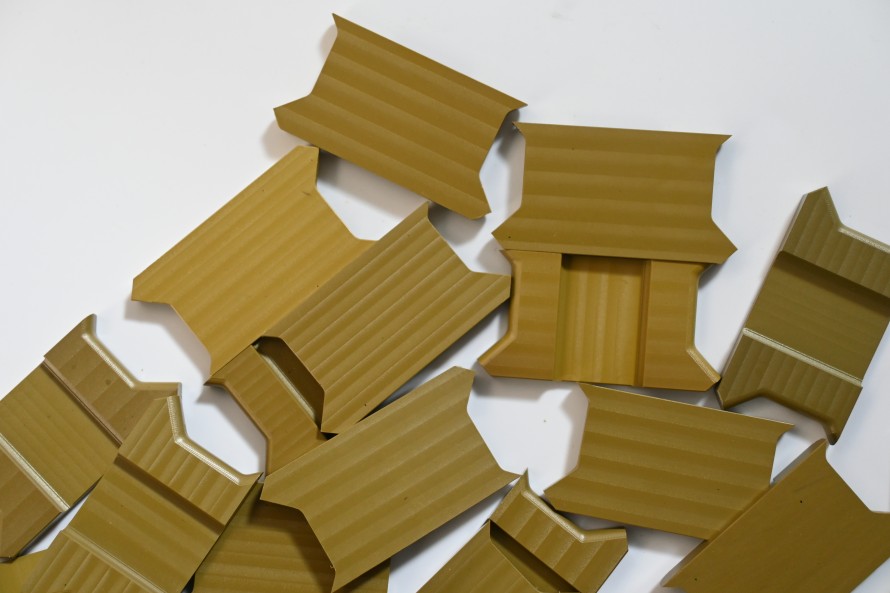
Polyamide-imide (PAI): A reliable material for precision machinery and high-temperature environments.
Polyamide-imide (PAI) is no ordinary plastic; it boasts outstanding properties. First and foremost is its high-temperature resistance. In high-temperature environments, ordinary plastics may soften and deform like heated wax, but PAI maintains a stable state. Even in extremely hot environments, it doesn't easily change its shape or properties, remaining steadfast in its function. This characteristic makes it invaluable in many fields requiring heat resistance.
In precision machinery manufacturing, PAI plays an irreplaceable role. Precision machinery is like a complex and precise "clock," where every component must fit perfectly and remain stable during long-term operation. PAI's high hardness and excellent dimensional stability make it a superior choice for manufacturing precision machinery parts. Parts made from PAI ensure the accuracy of mechanical operation and reduce errors. For example, in some high-end CNC machine tools, PAI-made bearings and guide rails maintain the machine's precision even during long-term high-speed operation and the generation of significant heat, ensuring the dimensional accuracy of the machined parts.
Beyond precision machinery, many industries operating in high-temperature environments rely heavily on PAI (Polyester Insulated Material). For instance, the interior of a car engine operates at extremely high temperatures, which ordinary materials simply cannot withstand. PAI-made seals, gaskets, and other components not only withstand these high temperatures but also effectively prevent leaks of fluids like engine oil and coolant, ensuring normal engine operation. Furthermore, PAI plays a crucial role in industrial furnaces and heat treatment equipment, acting as heat-insulating and high-temperature-resistant components to protect other parts of the equipment from the effects of extreme heat.
PAI's advantages don't stop there; its wear resistance is also outstanding. During the friction between mechanical parts, ordinary materials may wear down quickly, but PAI can resist prolonged frictional wear, extending the service life of components. For machinery that needs to operate continuously for extended periods, this significantly reduces the frequency of maintenance and component replacement, saving time and costs.
Furthermore, PAI possesses excellent chemical stability. It does not easily react with various chemicals, maintaining its properties. In equipment used in the chemical industry, which frequently comes into contact with highly corrosive chemical reagents, pipes, containers, and other components made of PAI can effectively resist the corrosion of these chemicals, ensuring the safe operation of the equipment.
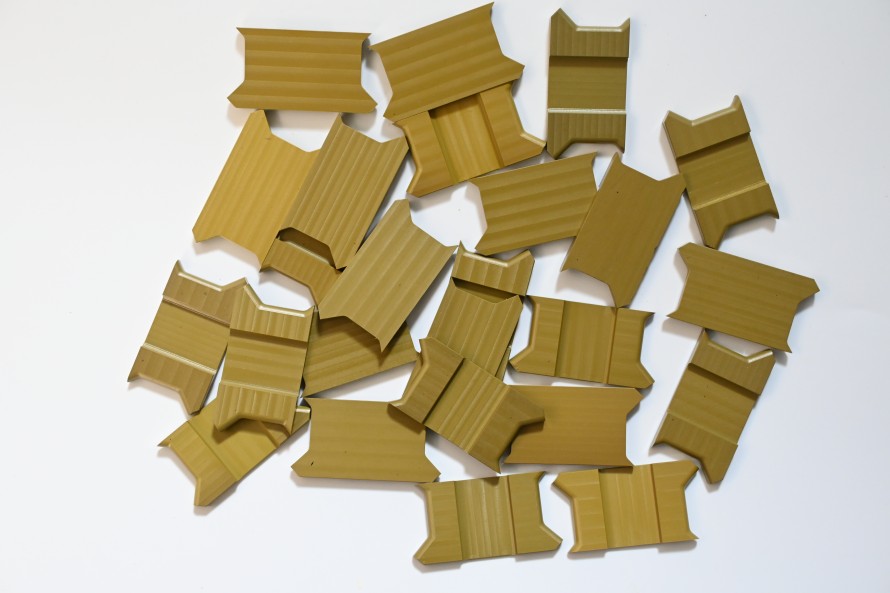
Compare the main differences in molecular structure and material properties between polyimide (PI) and polyamide-imide (PAI).
1. Significantly Different Molecular Structures
PI is a "pure imide warrior," with a main chain consisting only of -CO-NR-CO- structures; PAI, on the other hand, is an "amide + imide hybrid," possessing both types of groups, resulting in exceptionally high solubility.
2. Heat Resistance Comparison
PI is the "king of heat resistance," easily withstanding temperatures up to 400°C, making it a common material in the aerospace industry;
While PAI can also withstand high temperatures, it is slightly less robust than its counterpart, making it more suitable for everyday "high-temperature" applications.
3. Processing Properties Revealed
PI is mostly a "stubborn thermosetting" material; changing its properties after molding? Forget about it!
PAI, however, is a "gentle thermoplastic," allowing for repeated processing and easily handling complex shapes, earning praise from mold makers.
4. Application Scenarios Comparison
PI specializes in extreme environments, found in rocket engine components and nuclear power plant equipment;
PAI, on the other hand, is active in fields requiring precision molding, such as automotive gears and electronic components, truly earning the title of "sculptor of the plastics world."
Both materials excel in both chemical stability and mechanical properties, but their structural differences lead them to different peaks in their respective fields. Remember to choose the right material for your needs.